
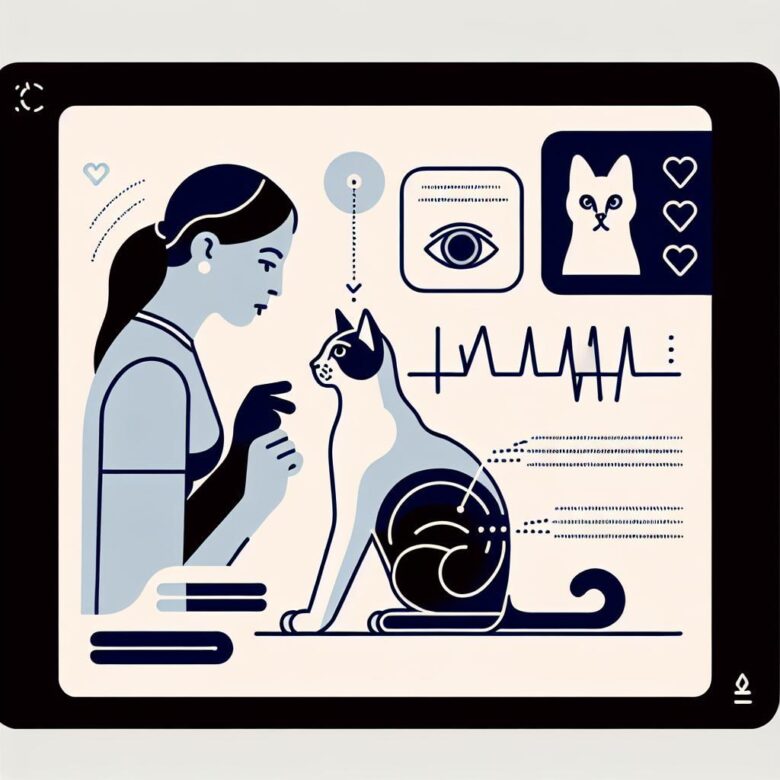
Most cat “behavior problems” are actually missed signals-a tail flick read as play, a slow blink ignored, a crouch punished as defiance. The fallout is real: preventable bites and scratches, stress-driven house soiling, vet visits, and damaged trust that can take months to rebuild.
After years of coaching cat owners through introductions, handling issues, and multi-cat tension, I’ve seen the same pattern: people listen to meows and miss the body. Cats communicate first with posture, ears, eyes, whiskers, and movement-often seconds before they escalate or shut down.
This article gives you a practical, repeatable way to read cat body language, so you can spot stress early, respond safely, and build calmer, clearer communication every day.
Decoding Cat Tail, Ear, and Eye Signals: Expert Cues to Read Mood, Arousal, and Intent in Seconds
Most owner injuries and “sudden” cat bites happen after subtle shifts in tail height, ear rotation, and pupil dilation that were visible for 1-3 seconds before the strike. The common mistake is reading one signal (often tail swish) in isolation instead of triaging tail + ears + eyes as a single arousal package.
- Tail: High with a soft hook = affiliative confidence; low tucked or stiffly down = fear/defensive inhibition; fast, tail-tip twitch or full-body lash = rising arousal/irritation (not “playful” by default).
- Ears: Forward and slightly relaxed = interest; “airplane” ears (rotated laterally) = uncertainty/overload; pinned flat = active defense with reduced tolerance for touch or approach.
- Eyes: Slow blink + half-lids = low threat/consent; wide eyes with dilated pupils = high arousal (fear, excitement, or pain-context decides); hard stare with narrow pupils = controlled threat, often preceding a swat.
Field Note: On a shelter intake review, I used BORIS to time-stamp a cat’s ear-pin + pupil flare sequence and convinced staff to switch from direct reaching to lateral approach, cutting handling incidents within a week.
Cat Communication at Home: Practical Tips to Respond to Purring, Slow Blinks, Meows, and Body Postures Without Reinforcing Stress
Owners often misread purring as “always happy,” yet it also appears during pain or high arousal-responding with constant handling can amplify stress signals. The most common mistake is rewarding anxious vocalizing with immediate attention, which can condition more frequent meowing and tension postures.
| Signal | What it often means | Low-stress response that avoids reinforcement |
|---|---|---|
| Purring + crouched body/tucked tail | Self-soothing, discomfort, or uncertainty | Pause contact; offer choice (open escape route, place food/toy nearby), and log context in Behavior Cloud if it repeats. |
| Slow blink + relaxed whiskers/soft ears | Affiliative intent; low threat | Return a slow blink, soften your posture, then let the cat approach; avoid looming or reaching over the head. |
| Repeated meows + pacing/ears rotated | Seeking resources or expressing frustration | Check needs on a schedule (water, litter, play); if meowing escalates, wait for a 2-3 second quiet gap before engaging. |
Field Note: In a multi-cat consult, we stopped “answering” hallway yowls immediately and instead reinforced brief quiet intervals, and within 10 days the client’s tracking in Behavior Cloud showed a clear drop in pacing and pinned-ear postures at dusk.
Spotting Fear, Aggression, and Pain in Cat Body Language: High-Risk Warning Signs, Common Misreads, and When to Call the Vet
A large share of “sudden” cat bites are preceded by seconds-to-minutes of missed warning signals-often because owners misread stillness as calm. The highest-risk cases show a cluster of body language changes plus context (handling, cornering, new pet) rather than a single cue.
- Fear (defensive escalation): ears flattened sideways/back, pupils dilated, body low or arched with weight shifted away, tail tucked or wrapped; common misread: crouching and wide eyes mistaken for “submissive.” Action: stop handling, increase distance, allow escape routes.
- Aggression (offensive intent): forward-stared gaze, stiff upright posture, tail lashing, piloerection, ears forward then pin; common misread: tail wagging interpreted as friendliness (in cats it’s usually arousal/irritation). Action: break eye contact, block with object, do not reach in.
- Pain/medical distress: “pain face” (orbital tightening, flattened whiskers), guarding, sudden intolerance to touch, hiding, hunched posture, decreased grooming; track subtle shifts with Feline Grimace Scale scoring in VetMetrica. Call the vet for persistent vocalizing, rapid breathing, limping, urinary straining, or behavior change >24 hours.
Field Note: I’ve seen a “grumpy” cat labeled aggressive, but a VetMetrica trend plus low grimace score change flagged cystitis-treating the pain stopped the swatting within 48 hours.
Q&A
FAQ 1: What does a cat’s tail position really mean, and when should I worry?
A tail held upright typically signals confidence and friendly intent, especially with a relaxed posture. A slowly swishing tail often indicates rising arousal or irritation; it’s a common precursor to a swat if interaction continues. A tail that is puffed up reflects fear or alarm (the cat is trying to look larger), while a tail tucked tightly suggests anxiety or feeling threatened. Worry when tail signals escalate alongside other stress cues (flattened ears, wide pupils, tense body) or if the reaction is sudden and out of character-this may warrant a vet check for pain.
FAQ 2: How can I tell the difference between a relaxed cat and an overstimulated cat during petting?
Relaxed cats show soft eyes (often slow blinking), neutral ears facing forward/sideways, and a loose body that leans into touch without tension. Overstimulation often starts subtly: skin twitching along the back, tail tip flicks that become broader swishes, ears rotating back, or a sudden head turn toward your hand. The safest approach is to pause at early warning signs, let the cat re-initiate contact, and favor areas many cats tolerate better (cheeks, chin, base of ears) over more sensitive zones (belly, lower back, tail).
FAQ 3: My cat shows its belly-does that mean it wants a belly rub?
Not usually. Exposing the belly is often a sign of trust and comfort, but it can also be a defensive posture because the cat’s claws are ready. Many cats will grab and kick if you reach for the abdomen. Look for context: a truly relaxed cat may have loose limbs, slow blinks, and remain calm if you move your hand nearby; a cat that’s about to “trap” your hand may show tense muscles, a twitching tail, or fixed attention on your hand. If you’re unsure, respond by petting safer areas (cheeks/chin) and let the cat guide the interaction.
Summary of Recommendations
The biggest mistake I still see cat owners make is reading one signal in isolation-especially the tail-then getting scratched “out of nowhere.” Cats communicate in clusters: eyes, ears, whiskers, posture, and distance all have to agree before you intervene, pet, or pick up.
Pro Tip: When a cat freezes, holds a hard stare, or stops blinking, treat it as a countdown-not “calm.” Increase space, soften your body angle, and let the cat choose the next move.
Do this right now: start a note on your phone titled “My Cat’s Baseline.” Add three bullets for what relaxed ears, tail, and blinking look like at home, then update it after the next play session.

Dr. Ethan Caldwell is a pet wellness specialist and lifestyle expert dedicated to enhancing the quality of life for modern pets. With years of experience in animal care, nutrition, and behavior, he shares practical insights and premium living strategies to help pet owners provide healthier, happier, and more refined lifestyles for their companions.