
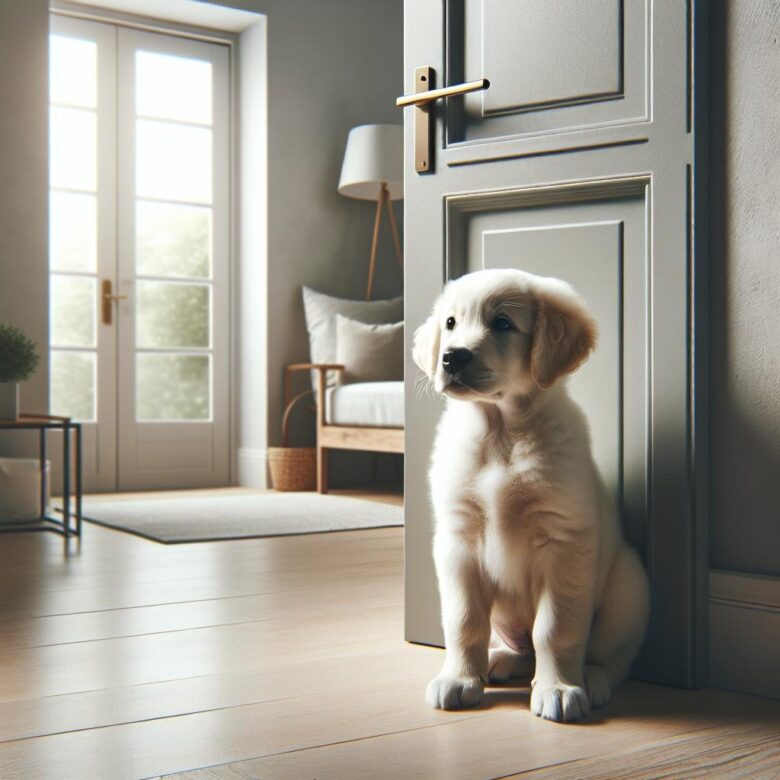
Housebreaking plan: set a 2-hour potty schedule, reward immediately, supervise indoors, use a crate for naps, and clean accidents with enzyme cleaner to prevent repeat marking.

Stop destructive chewing by increasing daily exercise, rotating safe chew toys, and managing access with crates or gates. Reward calm chewing, use bitter sprays on targets, and address anxiety with routines.

Separation anxiety improves with gradual absences, calm arrivals, and positive enrichment. Reward relaxed behavior, avoid punishment, and use desensitization steps; consult a vet or trainer for severe cases.

Positive reinforcement speeds puppy learning: reward within 1 second, use tiny treats or play, mark with “yes” or a clicker, keep sessions 3-5 minutes, and fade lures to build reliable cues.
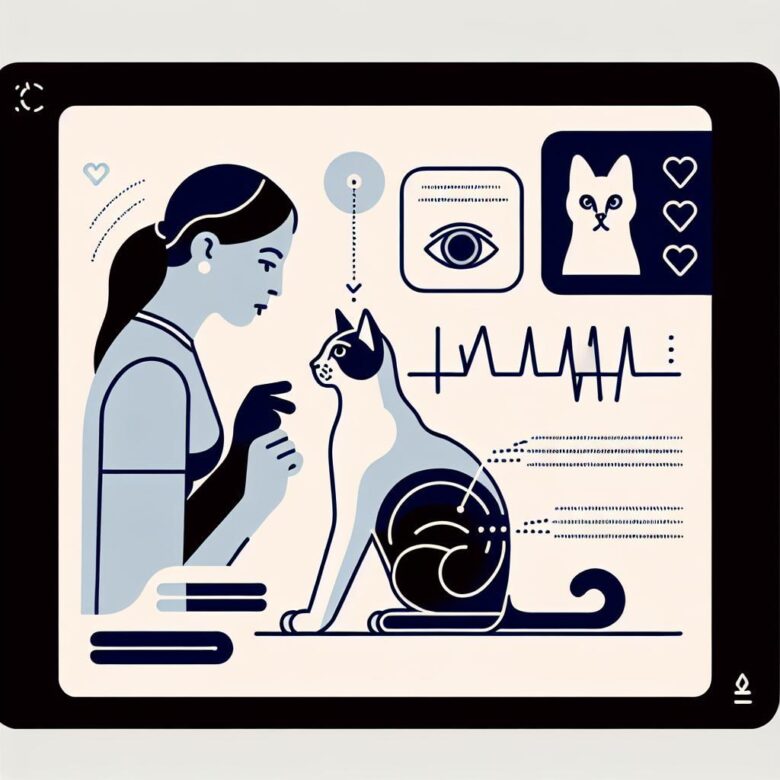
Cat body language reveals mood: a high, relaxed tail signals confidence; slow blinks show trust; flattened ears and a lashing tail warn of stress. Read these cues to prevent conflict and bond.