Long coats don’t “just need a brush”-they mat, trap moisture, and hide skin problems fast. When the wrong tool is used, I see dogs come into grooming with tight knots, sore hotspots, and owners facing emergency shaving or vet bills that could’ve been avoided.
After years working hands-on with long-haired breeds, I’ve learned most grooming “failures” aren’t from neglect-they’re from using one bargain brush for everything. That mistake costs time every week, and it can cost a coat for months.
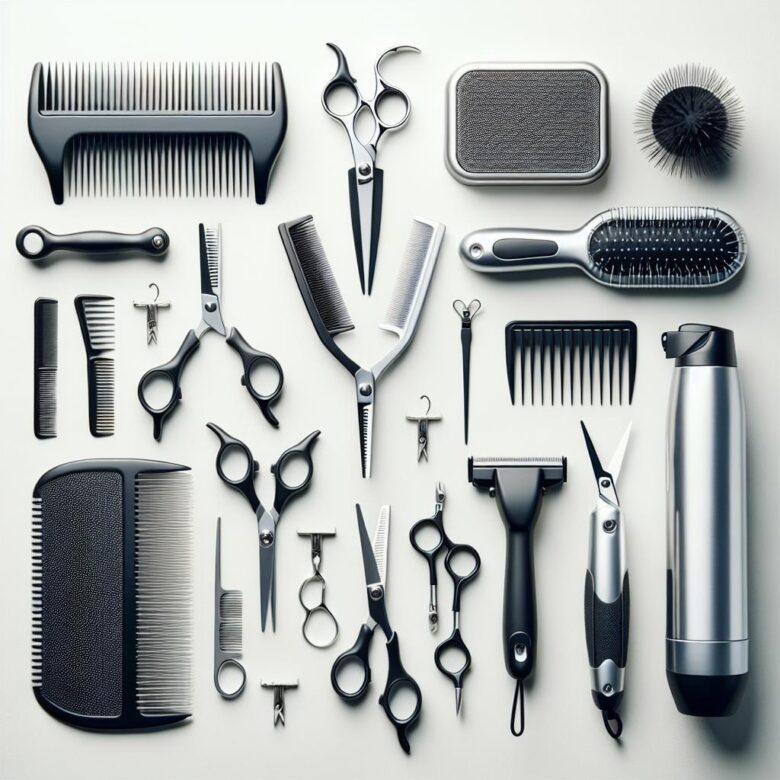
This article pinpoints the essential grooming tools (and exactly what each one is for) so you can prevent mats, reduce shedding, and keep your dog comfortable between professional grooms.
Long-Haired Dog Brush & Comb Toolkit: Pin Brushes, Slickers, Undercoat Rakes, and Greyhound Combs-How to Match Tools to Coat Type and Prevent Breakage
Most breakage in long-coated breeds is self-inflicted: using a slicker like a “scrub brush” or dragging a comb through dry mats can snap guard hair before you even reach the undercoat. Tool choice must follow coat architecture (silky single coat vs dense double coat), and pressure should stay low with methodical line-brushing.
| Tool | Best Match | Breakage-Prevention Technique |
|---|---|---|
| Pin brush (rounded pins, cushioned) | Silky coats (Yorkies, Afghans) and finishing work | Brush in layers from skin outward; avoid yanking-if pins “bounce,” reduce tension and switch to comb to confirm pass-through. |
| Slicker brush (fine bent wire) | Feathering, moderate tangles, setting coat before combing | Use short strokes with the wrist, not arm force; follow immediately with a greyhound comb to catch micro-knots. |
| Undercoat rake + greyhound comb (coarse/fine) | Double coats (Collies, Shelties) and seasonal shed | Rake only in coat growth direction and only after pins/slicker open the topcoat; log tool/skin response in Groomer.io to prevent over-thinning. |
Field Note: I stopped a repeat Sheltie “fur break” case by switching from daily aggressive slickering to line-brushing with a pin brush, then confirming with the fine end of a greyhound comb-coat density returned within one shed cycle.
Dematting Like a Pro: Best Dematting Combs, Splitters, and Mat Breakers-Safe Techniques to Remove Mats Without Hurting Skin or Creating Bald Spots
Mats tighten at the skin and can hide hotspots; ripping them with a slicker is a common cause of brush burn and “mystery” bald patches. If you can’t slide a metal comb’s teeth under the mat, you’re not detangling-you’re pulling hair from the follicle.
| Tool | Best Use | Skin-Safe Technique |
|---|---|---|
| Dematting comb (staggered blades) | Medium mats on legs, feathering, behind ears | Anchor skin with your free hand; use short, outward strokes starting at the mat’s edge, not the base. |
| Mat splitter / mat breaker (single hooked blade) | Dense, felted mats you can’t comb through | Insert blade parallel to the skin and “slice” the mat into strips, then comb each strip out; never saw back-and-forth. |
| Finishing comb + detangling spray | Verification and prevention after breakup | Comb from tips to roots; stop if the dog flinches-re-split instead of forcing. Track problem zones with Groomer.io notes. |
Pro Tip: I once eliminated recurring armpit bald spots by switching a client from “one big pull” to splitting mats into 4-6 thin channels while pinching the skin fold-same coat length, zero redness the next visit.
Precision Trimming & Hygiene Essentials: Shears, Thinning Scissors, Clippers, and Nail Tools-Expert Tips for Sanitary Trims, Paw Pads, and Ear/Face Touch-Ups
Most clipper burn and uneven “hygiene trims” on long-coated dogs come from using the wrong edge for the job-straight shears on paw pads and dull blades on groins will snag hair and irritate skin within minutes. Treat trims as sanitation work: precision, low heat, and strict tool separation between feet, face, and rear.
- Straight/curved shears: Use 6.5-8″ for outline and furnishings; keep tips off skin and snip parallel to coat growth. Disinfect with 70% isopropyl, then oil the pivot to prevent stiff action and micro-chipping.
- Thinning scissors (30-46 tooth): Best for blending ear edges, cheek transitions, and tuck-up without “shelf lines.” Work in small bites; repeated closing in one spot causes visible chew marks in silky coats.
- Clippers & nail tools: For paw pads and sanitary zones, a #10 blade (or guarded comb) reduces mat grab; keep blade temp under ~50°C-rotate blades and use coolant. For nails, pair clippers with a grinder; use Dremel 7760 in short pulses and finish with styptic on standby.
Field Note: After one client’s spaniel developed pad redness, switching to a dedicated #10 “feet-only” blade, 30-second blade rotations, and thinning-shear blending eliminated both clipper lines and irritation at the next visit.
Q&A
FAQ 1: What are the essential grooming tools every long-haired dog owner should own?
A practical core kit covers detangling, de-shedding, line-brushing, safe trimming, and drying:
- Slicker brush (fine pins) for daily surface tangles and light mat prevention.
- Stainless steel greyhound comb (coarse + fine) to confirm the coat is truly tangle-free down to the skin.
- Dematting tool or mat splitter for small, tight knots (used carefully to avoid skin injury).
- Undercoat rake (only for double-coated breeds) to remove compacted undercoat and reduce matting.
- Grooming scissors: blunt-tip safety scissors for sanitary trims and curved scissors for feet/feathering.
- High-velocity dryer (or strong pet dryer) to dry thoroughly and blow out loose coat-key for preventing mats after baths.
- Detangling spray/coat conditioner to reduce breakage and brush “drag.”
FAQ 2: How do I choose the right brush/comb for my dog’s coat type without damaging the coat?
Match tools to coat structure and use the comb as your “truth test”:
- Single-coated, silky drop coats (e.g., Afghan-type coats): prioritize a pin brush or soft slicker plus a fine/coarse comb; avoid aggressive rakes that can break coat.
- Double-coated long coats (e.g., Collie-type): use a slicker for line-brushing and a long-tooth undercoat rake sparingly to lift packed undercoat; finish with a comb.
- Curly/doodle-type coats: a quality slicker + metal comb are non-negotiable; focus on line-brushing to the skin to prevent hidden mats.
- Sensitive skin: choose rounded pins, lighter slickers, and use a detangler; if the dog reddens quickly, reduce pressure and session length.
Rule of thumb: If a metal comb won’t pass smoothly through an area, it’s not fully brushed out-keep working that section (with spray) before bathing or trimming.
FAQ 3: Do I really need a high-velocity dryer and detangling spray, or are they optional?
For long-haired dogs, they’re “quality-of-life” tools that often prevent bigger problems:
- High-velocity dryer: Not strictly mandatory, but strongly recommended if you bathe at home. Long coats that air-dry often mat at the roots; a dryer lets you separate hair while drying and removes loose coat efficiently.
- Detangling spray/conditioner: Highly recommended for regular brushing. It reduces friction (less breakage and discomfort), helps brushes glide, and makes line-brushing faster-especially on feathering, ears, and behind the legs.
If you skip both, plan on more frequent, longer brushing sessions and a higher risk of mats-particularly after rain, swimming, or bathing.
Key Takeaways & Next Steps
Pro Tip: The biggest grooming mistake I still see is mixing the wrong brush with the wrong coat stage-dragging a slicker through a dry, compacted area can snap guard hairs and turn a small snarl into a painful mat. Keep a fine mist detangling spray beside your tools, and if the comb can’t reach skin in one gentle pass, stop and change tools or technique.
Right now, create a “grooming station” bin and label it with your dog’s coat zones (ears, armpits, collar line, tail, sanitary). Keep only the tools you’ll actually use there.
- Set a recurring 10-minute calendar reminder for line-brushing.
- Upload one close-up coat photo monthly to spot mat hotspots early.

Dr. Ethan Caldwell is a pet wellness specialist and lifestyle expert dedicated to enhancing the quality of life for modern pets. With years of experience in animal care, nutrition, and behavior, he shares practical insights and premium living strategies to help pet owners provide healthier, happier, and more refined lifestyles for their companions.